
Switching themes in BigCommerce can feel like a fresh start for your online store’s design. The good news: it’s straightforward. The reality: whether you “keep everything” depends on how much customization you’ve done and where it lives. If you’ve heavily modified code, you may need a developer’s help to carry changes into the new theme.
To set expectations clearly, here’s what stays the same, what doesn’t, and how to make a smooth transition.
1. What Stays the Same When You Change Themes
BigCommerce keeps your store’s data and core systems intact:
-
Products, categories, customers, and orders – all safe.
-
Payment gateways, shipping methods, taxes, and apps – remain connected.
-
Content pages like About Us and Contact – stay, though layouts or styling may shift under the new theme.
Bottom line: your store still works. The theme change only impacts design and presentation.
2. What Might Need Re-Doing
Here’s where things can get tricky:
-
Theme-specific customizations (custom HTML/CSS/JS or unique templates) do not carry over. They’re tied to the old theme.
-
Theme settings (colors, fonts, header/footer layouts, widgets) reset with each theme, requiring reconfiguration.
-
Page Builder layouts can be copied, but you may need adjustments if the new theme handles spacing, widths, or styles differently.
-
Custom scripts added directly into theme files must be re-added. (Scripts in Storefront › Script Manager stay safe.)
3. How to Preview and Test a New Theme
BigCommerce makes it easy to try before you commit:
-
Install the new theme as unpublished so your live store remains untouched.
-
Configure and preview it in the admin staging environment.
-
Compare layouts, navigation, and product presentation before pushing live.
This means you can experiment without risk.
4. Where to See How Themes Are Set Up
Not sure what a theme looks like in action? You’ve got options:
-
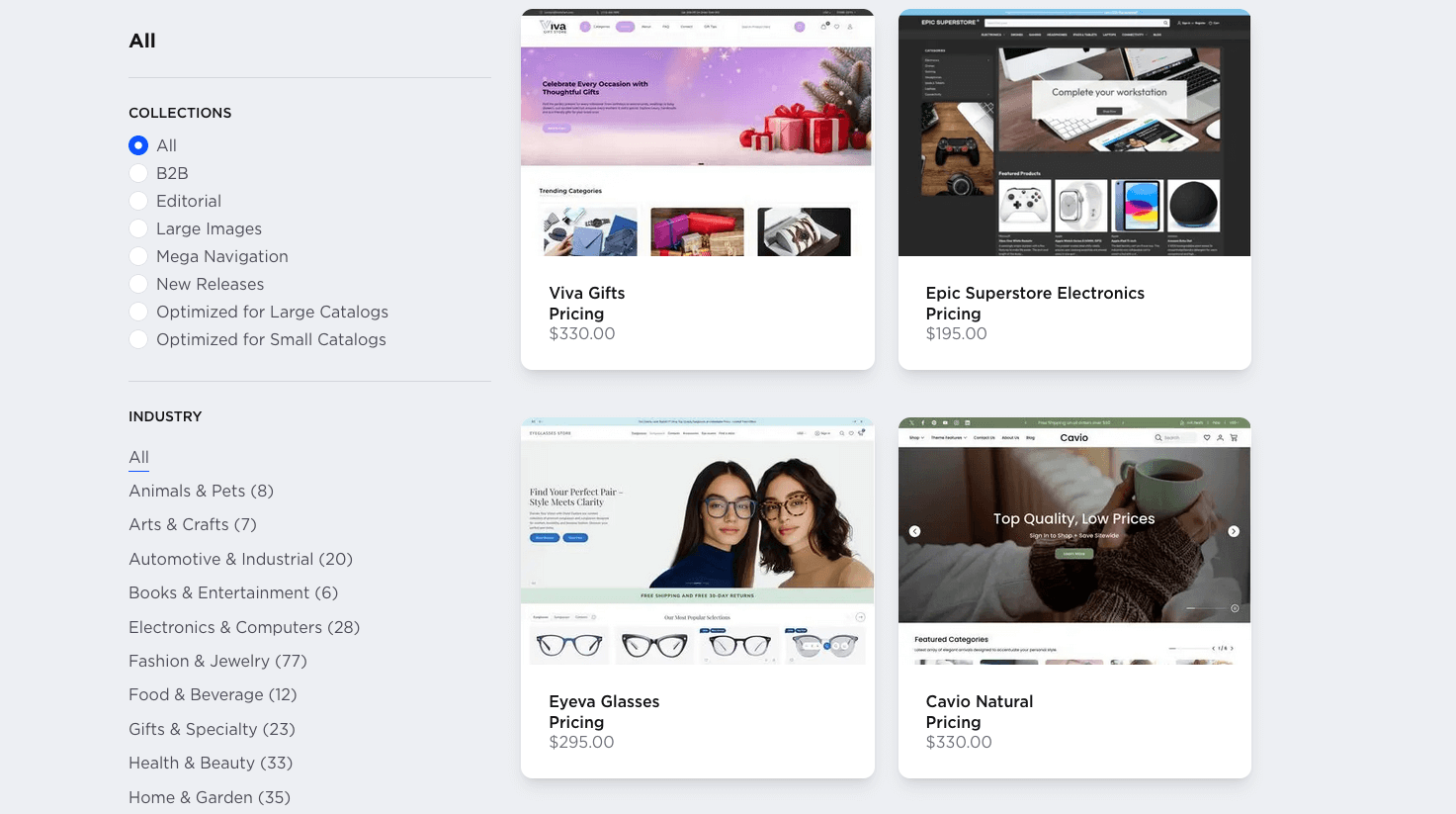
BigCommerce Theme Marketplace – Most paid themes include live demo stores (desktop & mobile).
-
Theme documentation – Developers often provide setup guides with available layouts and customization options.
-
Your control panel – Go to Storefront › My Themes, then click Customize to explore widgets, layouts, and settings.
5. Best Practices Before Switching
A theme change can go wrong if you don’t prep properly. Safeguard your work with these steps:
-
Duplicate your current theme – always have a backup.
-
Screenshot or export settings – so you can reference your old design choices.
-
Test in preview mode – confirm content and products display properly.
-
Check compatibility – ensure custom code and third-party apps still function.
Step-by-Step Checklist for Switching to a New Theme
Follow this process to switch smoothly:
-
Back Up Your Current Theme
-
Go to Storefront › My Themes.
-
Click Advanced › Download Current Theme Files to save a copy.
-
-
Document Current Settings
-
Take screenshots of header/footer layouts, colors, fonts, navigation menus, and Page Builder layouts.
-
-
Review Custom Code
-
Collect any HTML/CSS/JS changes or snippets added directly to theme files.
-
Move custom scripts to Storefront › Script Manager if possible.
-
-
Install the New Theme as Unpublished
-
Add the theme from the Marketplace to your store.
-
Leave it unpublished so your live site stays untouched.
-
-
Preview & Configure
-
Open the new theme in Customize mode.
-
Reapply settings (colors, fonts, header/footer layouts).
-
Copy Page Builder content into the new theme and adjust as needed.
-
-
Check Key Store Pages
-
Homepage, Category pages, Product detail pages, Cart, Checkout.
-
Confirm navigation, buttons, and forms display correctly.
-
-
Test Integrations
-
Verify apps, third-party scripts, and custom code function correctly.
-
Check if tracking (Google Analytics, Meta Pixel, etc.) is still firing.
-
-
Cross-Device Review
-
Test on desktop, tablet, and mobile.
-
Use BigCommerce’s preview plus your own devices.
-
-
Publish the Theme
-
Once you’re confident everything works, publish the new theme.
-
Monitor site performance and user behavior over the next few days.
-
-
Keep Your Backup Handy
-
If issues arise, you can quickly revert to your old theme.
The Smart Way to Switch
Changing themes in BigCommerce isn’t about “losing everything” — it’s about understanding what persists and what needs attention. With backups, testing, and a careful rollout, you can refresh your storefront design without disrupting operations.
If you’re planning to move to a paid theme and want expert help, Brod Solutions can guide you through the transition. We’ll ensure your customizations and apps stay functional while giving your store a fresh new look.
👉 Ready to switch? Contact us to make your theme upgrade smooth and stress-free.