

Why You Should Keep or Use It
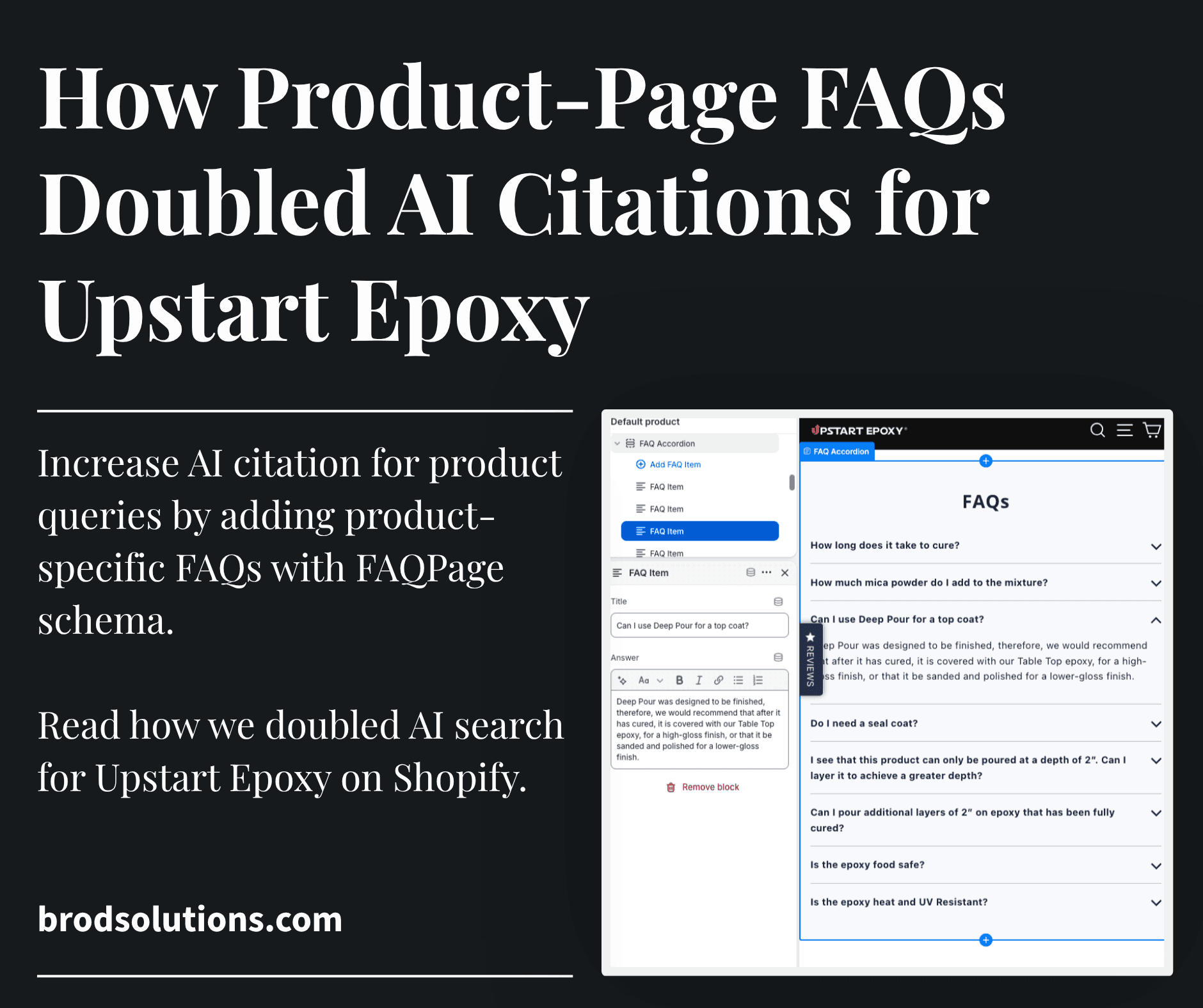
AI Model Training: Large Language Models (LLMs) and search crawlers use structured data to easily parse information. Clear Question and Answer nodes help AI understand your content's exact context.
Alternative Search Engines: Search engines like Bing, Yahoo, or DuckDuckGo have not announced identical deprecation timelines. They may continue to utilize the data for rich displays.
No Algorithmic Penalty: Google explicitly states that leaving deprecated schema on a site does not harm rankings. Its systems simply ignore the code for rich snippet generation.
Voice Search Optimization: Voice assistants rely heavily on explicit question-and-answer pairings to answer user queries concisely.
Where to Shift Your SEO Focus
Prioritize AI Overviews: Focus on clear, on-page text formatting (using or tags for questions) rather than just the backend code. This feeds Google's AI Overviews and People Also Ask (PAA) boxes.
Maximize Supported Schema: Reallocate development resources to high-impact, active rich results. Focus on Product (for price and review stars), Course, Event, or LocalBusiness schema.
It's not safe to assume that "the more data, the better" when it comes to structured data
While semantic completeness is highly valuable, over-tagging, using incorrect schema types, or prioritizing backend code over user-facing content can trigger spam penalties, break API pipelines, or cause Google to misclassify your content.
Do Not Use QAPage Schema for Products: Google’s official documentation states that QAPage schema is only for forums or help centers where users submit multiple answers to a single question.
Quality Over Volume: Google prioritizes high-fidelity, high-accuracy data. Extraneous or repetitive schema nodes that do not serve a specific rich result or a clear entity relationship only introduce code bloat and risk semantic parsing errors.
Quality Over Volume: Google prioritizes high-fidelity, high-accuracy data. Extraneous or repetitive schema nodes that do not serve a specific rich result or a clear entity relationship only introduce code bloat and risk semantic parsing errors.
Best Practices
If you use FAQ/HowTo, mirror real on-page content so the text and JSON-LD dont conflict.